Why Lilo & Stitch’s Marketing Campaign Was Revolutionary: Lessons for Global Branding from India to the US

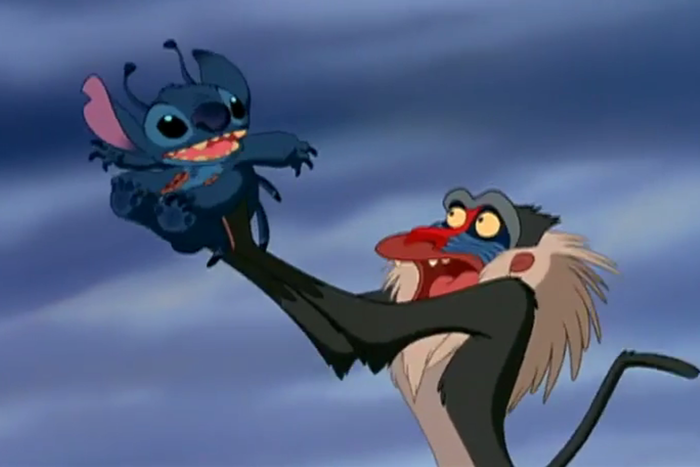
When I first watched Lilo & Stitch as a kid growing up in Mumbai, I didn’t realize how much the film’s marketing campaign was quietly rewriting the rules of brand storytelling. Now, as a 21-year-old Indian woman freshly graduated from Duke University’s Fuqua School of Business and living in the US, I see the 2002 Disney campaign as a masterclass in authentic, culturally grounded marketing—one that holds powerful lessons for brands in both India and America today.
The Vulture article on Lilo & Stitch’s marketing campaign reveals how Disney took a bold, unconventional approach by deeply embedding the film in Hawaiian culture rather than relying solely on star power or global media saturation (Vulture, 2025). This grassroots strategy involved collaborating with local artists, musicians, and communities to create a campaign that felt genuine and resonant. The result was not just a box office success but a cultural phenomenon that still inspires marketers today.
This approach contrasts sharply with many traditional Hollywood campaigns that focus on universal appeal through celebrity endorsements and massive advertising spends. Instead, Lilo & Stitch’s marketing was about telling a story that felt lived-in and real—a story that connected emotionally with a specific community but also invited the world to experience that culture respectfully.
As someone who has studied branding and marketing across India and the US, I find this strategy deeply relevant. India’s vast cultural diversity means that mass-market campaigns often fall flat if they don’t respect local languages, traditions, and values. Similarly, in the US, brands are increasingly recognizing that authenticity and niche engagement trump broad, generic messaging.
For example, in India, brands like Amul and Fevicol have long succeeded by tapping into regional humor, festivals, and everyday life. The Lilo & Stitch campaign’s emphasis on community collaboration mirrors these approaches, showing that authenticity builds trust and loyalty.
Moreover, the campaign’s use of local music and art to tell the story created a multi-sensory experience that went beyond the screen. In India, music and dance are similarly powerful cultural connectors. Brands that incorporate these elements thoughtfully—like Coca-Cola’s regional festival campaigns or Tata’s support of folk arts—create deeper emotional bonds.
The Vulture article also highlights how Lilo & Stitch leveraged word-of-mouth and grassroots buzz rather than just paid media. In today’s digital age, this is more relevant than ever. Influencer marketing, social media storytelling, and community-driven content are the new frontiers. As a young marketer, I see parallels in how Indian creators use WhatsApp groups, Instagram reels, and vernacular memes to spark organic conversations that traditional ads can’t replicate.
Another lesson is the importance of respect and cultural sensitivity. Disney’s campaign avoided exoticizing Hawaiian culture; instead, it celebrated it with nuance and pride. This is crucial in a globalized world where consumers demand brands that honor their identities rather than appropriate them. For Indian brands expanding globally or American brands entering India, this means investing in cultural fluency and genuine partnerships.
Finally, Lilo & Stitch’s campaign reminds us that storytelling is at the heart of marketing. It’s not just about selling a product or a movie—it’s about inviting people into a world, a feeling, a shared experience. This is where brands in both India and the US can excel by blending data-driven insights with creative narratives that resonate on a human level.
For students and young professionals like me, the campaign is a beacon. It shows that successful marketing requires more than algorithms and ad budgets—it demands empathy, respect, and a willingness to listen and learn from the communities you serve.
In 2025, as brands navigate a complex, fragmented media landscape, the lessons from Lilo & Stitch’s revolutionary campaign are clearer than ever: embrace authenticity, build community, respect culture, and tell stories that matter. Whether you’re crafting a campaign in Mumbai, Manhattan, or anywhere in between, these principles will help you create connections that last.
Vulture article, Why Lilo & Stitch’s Marketing Campaign Was Revolutionary (2025)
The article explores how Disney’s 2002 animated film Lilo & Stitch broke new ground in marketing by embracing cultural authenticity, grassroots engagement, and innovative storytelling. Unlike typical blockbuster campaigns that rely heavily on star power and mass media blitzes, Lilo & Stitch’s marketing leaned into local Hawaiian culture, community involvement, and word-of-mouth buzz, creating a deep emotional connection with audiences. The article highlights how this approach anticipated modern trends in niche marketing, influencer partnerships, and authentic brand storytelling.


Comments